Funeral Symbols from Different
Cultures: Meaningful Ways to Honor a Loved One in Philadelphia
When someone we love passes away, families often look for meaningful ways to express love, remembrance, faith, and respect. Across different cultures, funeral symbols can help tell a loved one’s story and bring comfort to family and friends during a difficult time.
Flowers, candles, colors, food, music, religious items, and personal keepsakes can all carry special meaning. These symbols may come from family traditions, cultural heritage, religious beliefs, or simply from something that mattered deeply to the person who passed away.
At Pennsylvania Burial Company and Baldi Funeral Home in Philadelphia, we understand that every family is different. We are honored to help families plan funeral, burial, cremation, and memorial services that reflect their loved one’s life, culture, faith, and personal wishes.
Why Funeral Symbols Matter
Funeral symbols help families express emotions that can be difficult to put into words. A candle may represent light and hope. A flower may represent love and beauty. A favorite song may bring back memories. A religious item may bring peace and comfort.
For many families, these symbols become part of the healing process. They help create a service that feels personal, respectful, and meaningful.
Flowers as Symbols of Love, Peace, and Remembrance
Flowers are one of the most common funeral symbols used around the world. They can represent love, sympathy, peace, respect, and remembrance.
Roses often symbolize love and devotion. Lilies are commonly associated with peace, dignity, and purity. Chrysanthemums are used in many cultures as flowers of remembrance and respect. Some families choose a loved one’s favorite flower or favorite color to make the tribute more personal.
At a Philadelphia funeral service, flowers may be placed near the casket, displayed during a viewing, used in a memorial arrangement, or brought to the cemetery or gravesite.
Candles as Symbols of Light and Hope
Candles are used in many cultures and religions as a symbol of light, prayer, hope, and memory. Lighting a candle can represent the light a loved one brought into the world and the way their memory continues to shine.
Families may light candles during a funeral service, memorial gathering, anniversary, birthday, or quiet moment at home. A candle can be a simple but powerful way to say, “You are still remembered and loved.”
Mourning Clothing and Black Armbands
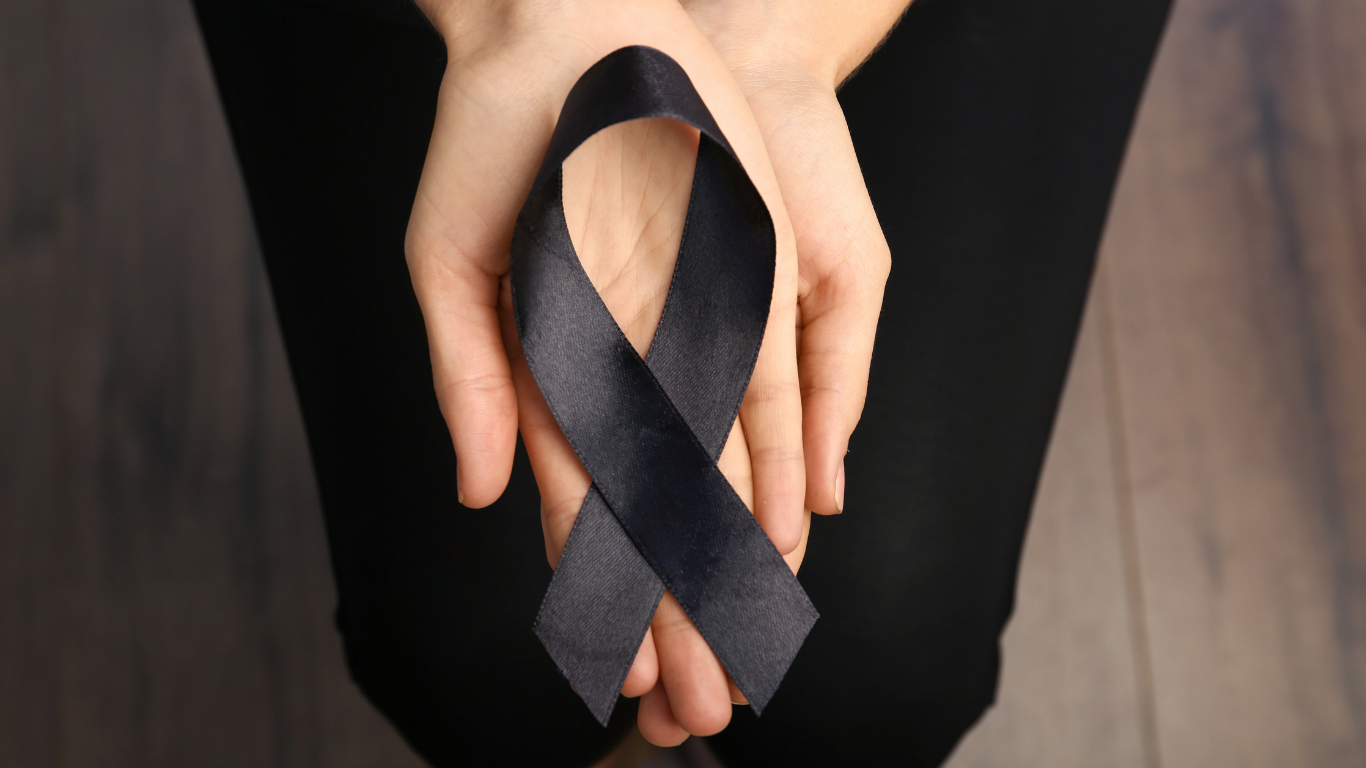
In many cultures, clothing is one of the most visible symbols of grief and respect. Wearing black to a funeral is common in many Western traditions, but some families also use smaller mourning symbols, such as a black armband, black ribbon, or dark piece of fabric worn on the clothing.
A black armband has often been used to show that someone is grieving the loss of a loved one. It can be worn during a funeral, memorial service, public ceremony, or for a period of mourning after someone has passed away. This simple piece of fabric can quietly communicate sorrow, respect, and remembrance without needing to say a word.
In some traditions, widows, close family members, or mourners may wear specific colors, veils, ribbons, or armbands to show their relationship to the person who died. These symbols help others recognize the family’s grief and offer support.
While mourning clothing may look different from culture to culture, the meaning is often the same: love, respect, loss, and remembrance.
Marigolds: Guiding Loved Ones Back in Mexican Tradition
In Mexican Día de los Muertos traditions, marigolds are a powerful symbol of remembrance. Their bright color and strong scent are believed to help guide the spirits of loved ones back to the family altar.
Families may place marigold petals on an ofrenda, or memorial altar, as a loving way to welcome and remember those who have passed. This tradition reminds us that remembrance can be colorful, joyful, and deeply meaningful.
Papel Picado: A Delicate Symbol of the Spirit
Papel picado is the colorful cut-paper often seen during Día de los Muertos. Because the paper is light and moves with the air, it can symbolize wind, spirit, and the connection between this life and the next.
Including paper decorations, cultural artwork, or meaningful colors in a funeral or memorial service can help honor a loved one’s heritage and family traditions.
Food Offerings and Memorial Meals
Food is an important symbol in many cultures. It can represent care, comfort, family, and togetherness.
In some traditions, food is placed near a memorial or altar as an offering. In many families, people gather for a meal after the funeral to share memories, support one another, and continue the bond of family and community.
A memorial meal can be especially meaningful when it includes a loved one’s favorite dish, family recipe, or traditional cultural food.
Incense: Carrying Prayers and Respect
Incense is used in many religious and cultural traditions as a symbol of prayer, purification, peace, and respect. The rising smoke can represent prayers, blessings, or memories being lifted upward.
In some Asian funeral traditions, incense is part of honoring ancestors and showing reverence for the person who has passed. For families who include incense in a service, it can create a peaceful and sacred atmosphere.
Paper Offerings in Chinese Funeral Traditions
In some Chinese traditions, families burn paper offerings as a symbolic way of providing for a loved one in the afterlife. These offerings may represent money, clothing, or meaningful items.
This tradition reflects care, respect, and the belief that love continues beyond this life. It is one example of how cultural funeral customs can help families feel connected to their loved one after death.
Lanterns as Symbols of Guidance and Remembrance
Lanterns are used in different cultures as symbols of guidance, hope, peace, and remembrance. A lantern’s light can represent helping the spirit find peace or showing that a loved one’s memory continues to shine.
Some families may use lantern images, candlelit displays, or soft lighting during a funeral or memorial service to create a comforting tribute.
Water as a Symbol of Peace and Renewal
Water can symbolize peace, purity, renewal, and the journey of the soul. In Día de los Muertos traditions, water is often placed on the altar to refresh the spirit after its journey back to visit loved ones.
For other families, water may represent calm, cleansing, or the flow of love that continues even after someone has passed away.
Butterflies as Symbols of Transformation
Butterflies are often seen as symbols of transformation, hope, and the continuing journey of the soul. Their gentle beauty can bring comfort to grieving families.
Butterfly symbols may appear on memorial cards, jewelry, urns, keepsakes, prayer cards, or funeral programs. Some families may also choose a butterfly release as part of a memorial tribute.
Doves as Symbols of Peace
Doves are recognized in many cultures as symbols of peace, love, purity, and the spirit. A dove image or dove release can represent a peaceful farewell and the hope that a loved one is at rest.
For some families, the dove is a religious symbol. For others, it is simply a gentle reminder of love and peace.
Colors and Their Meaning in Funeral Traditions
Colors can carry different meanings in funeral and mourning traditions.
Black is often used in Western funeral services as a symbol of mourning, respect, and solemn remembrance. White may represent peace, purity, humility, or spiritual transition in many cultures. Purple may carry religious meaning, dignity, or honor. Bright colors may be used by some families to celebrate a loved one’s personality and life.
Choosing colors for flowers, clothing, memorial cards, or decorations can help make a funeral service more personal and meaningful.
Music, Songs, and Prayers
Music is one of the most powerful ways to remember someone. A favorite song, hymn, prayer, cultural song, or instrumental piece can bring comfort and help family and friends reflect on a loved one’s life.
Some families choose traditional religious music. Others choose a song that reminds them of a special memory. Music can bring emotion, peace, and personal meaning to a funeral, cremation service, or memorial gathering.
Photos and Memory Tables
Photographs help tell the story of a life. A memory table may include framed photos, candles, flowers, awards, letters, religious items, favorite belongings, or keepsakes.
These displays allow family and friends to remember special moments and see the person’s life, personality, and legacy. For many Philadelphia families, a memory table is one of the most personal parts of a funeral or memorial service.
Personal Keepsakes and Memorial Items
A keepsake can be anything that reminds you of your loved one. It may be a piece of jewelry, a watch, a handwritten note, a favorite recipe, a book, a rosary, a blanket, or another personal item.
Some families choose memorial jewelry, keepsake urns, photo ornaments, custom prayer cards, or memory boxes. These items can help keep a loved one’s memory close in a quiet and comforting way.
Honoring Cultural Funeral Traditions in Philadelphia
Philadelphia is home to families from many different backgrounds, faiths, and cultures. Funeral traditions may include prayer, music, flowers, candles, incense, food, religious symbols, cultural colors, or family customs passed down through generations.
There is no single right way to honor someone you love. What matters most is creating a service that reflects the person’s life and gives the family comfort.
At Pennsylvania Burial Company and Baldi Funeral Home, our caring team helps families plan meaningful funeral services, cremation services, burials, visitations, and memorial tributes in Philadelphia. We work with families to include cultural traditions, religious customs, personal symbols, and meaningful details whenever possible.
Planning a Meaningful Funeral or Cremation Service in Philadelphia
Whether your family is planning a traditional funeral, Catholic funeral, cultural funeral service, cremation service, burial, or memorial gathering, we are here to guide you with compassion and respect.
Pennsylvania Burial Company and Baldi Funeral Home are honored to help Philadelphia families create services that reflect love, dignity, culture, faith, and remembrance.
Need Help Planning a Personal Memorial Tribute?
If your family would like help choosing meaningful funeral symbols, cultural traditions, flowers, music, keepsakes, or memorial ideas, Pennsylvania Burial Company and Baldi Funeral Home are here to help.
Contact us today to speak with a caring funeral professional and learn more about funeral, burial, cremation, and memorial service options in Philadelphia.
Pennsylvania Burial Company/Baldi Funeral Home & Cremation Services
1327-31 South Broad Street
Philadelphia, PA 19147
215-334-1717