

Funerals vs. Celebrations of Life

May 5, 2025

Funerals vs. Celebrations of Life

It's interesting; funerals and celebrations of life have much in common, yet they often appear very different. Each is a ceremony; a gathering of people who share a common loss. It's just that one is more rooted in tradition, while the other is the result of recent changes in social values. But both serve to do three things:

Help the bereaved family, and their community, publicly acknowledge the death of one of their own

Support the grieving family by surrounding them with caring friends, co-workers, and neighbors

Move the deceased from one social status to another

Yet they achieve those things in very different ways. First, let's take a closer look at what most of us commonly see as very traditional funerals.

The Funeral

It's not surprising funerals have been around for a very long time. Composed of three activities, the visitation, the funeral service, and the committal service, performed at the graveside; this funeral is the one we'd easily recognize from contemporary literature and film.

The Visitation

Held prior to the funeral, often the night before but sometimes on the same day, the visitation (or viewing) is a time when people come to support the family and, more importantly, pay their respects to the deceased. This often involves stepping up to the casket to view the body; either in the company of a member of the surviving family or on your own.

The Funeral Service

Commonly held in the funeral home or church, the traditional funeral service is led by an officiant of one kind or another; most commonly a pastor or the funeral director. This individual follows a very predictable funeral order of service which includes the singing of hymns; and invocations, Bible recitations, Scripture readings, and prayers led by the officiant.

The Committal Service

This takes place at the cemetery, after a slow and respectful automobile procession from the place where the funeral was held. The committal service ends when the casketed remains are lowered into the ground, and final prayers are said.


If you'd like to know more about the history of funerals in the United States, you may like to visit the website of the National Museum of Funeral History. But for now, it's enough to know that a funeral service traditionally has these three distinct components. Now let's look at a celebration of life service.

Celebrations of Life

Author Barbara Kingsolver, in her book The Poisonwood Bible, wrote “To live is to be marked. To live is to change, to acquire the words of a story, and that is the only celebration we mortals really know.” We think this reflection is at the heart of a celebration of life. While a funeral, as we've described it above, has more to do with the orderly and often spiritually-defined, a celebration-of-life is more concerned with telling the story of the deceased. Celebrations of life are just that: a time people come together more to celebrate the unique personality and achievements of the deceased than to merely witness or mark the change in their social status.


Celebrations of life are similar to memorial services, which can be described as a hybrid event: combining the flexibility of a celebration of life with many of the activities of a traditional funeral order-of-service.


There's more room for creativity in a celebration of life than a funeral. Since celebrations of life are commonly held after the individual's physical remains have been cared for through burial or cremation, there is much more time available to plan the event. And without doubt, this allows you to make better decisions about how you'd like to celebrate the life of someone you dearly loved.

Are You Undecided? Turn to Us.

We've got years of experience listening, brainstorming, and advising families how they can best pay tribute to a beloved family member. That means we're the perfect people to help you decide between a funeral and a celebration of life. We'll explore your funeral service options with you in detail, taking all the time you need.


In the book Chocolat, by Joanne Harris, you'll find this fundamental truth: “Life is what you celebrate. All of it. Even its end.” As funeral professionals we help families express reverence for life. Let us do that for your family. Call our funeral home to speak with a member of our staff.


Sources: 

  1. Barbara Kingsolver, The Poisonwood Bible 
  2. Joanne Harris, Chocolat
funeral symbols Baldi Funeral Home Philadelphia Pennsylvania Burial co
By Victor Baldi July 6, 2026
Explore meaningful funeral symbols from different cultures, including flowers, candles, black armbands, colors, food, and traditions. Baldi Funeral Home help Philly
Catholic Funeral Home Philadelphia South Broad Street Baldi Pennsylvania Burial Co.
By Victor Baldi June 22, 2026
Plan a meaningful Catholic funeral in Philadelphia with Pennsylvania Burial Company and Baldi Funeral Home. Learn traditions, meaning, and preparation steps.

By Victor Baldi June 8, 2026
How to Offer Meaningful Support, Phrases to Retire, and the Grace of Showing Up
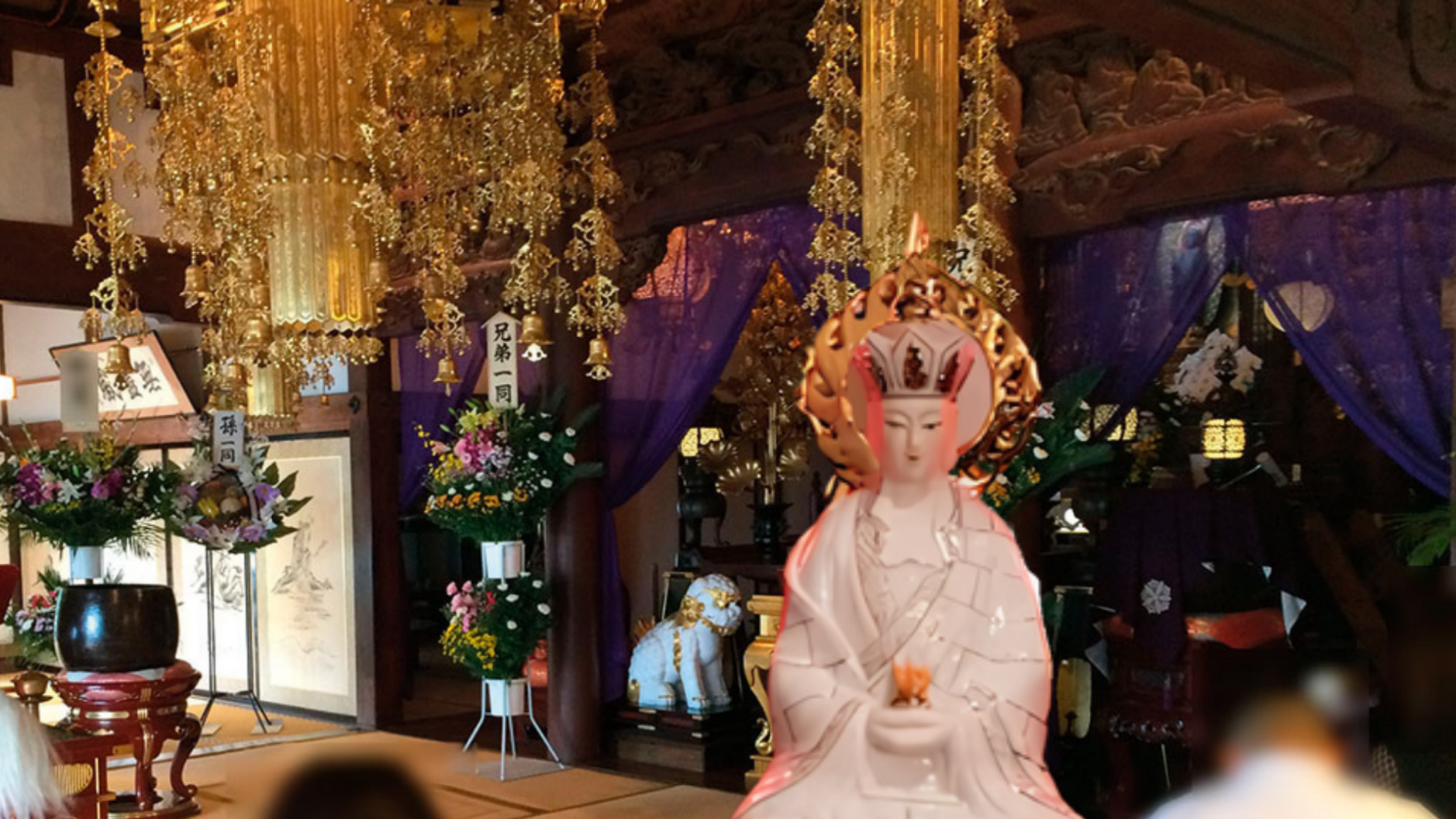
Buddhist funeral ceremony Philadelphia
By Victor Baldi May 18, 2026
Planning or attending a Buddhist funeral in Philadelphia? Discover traditional customs, etiquette, and modern service options from Pennsylvania Burial Co. and Baldi

Pennsylvania Burial Company Baldi Funeral Home Cremation Services Philadelphia South Broad
By Victor Baldi May 6, 2026
If you are looking for a funeral home in South Philly that treats you like family, we invite you to visit us. Our doors on South Broad Street are always open....
Philadelphia obituaries, funeral home Philadelphia
By Victor Baldi April 21, 2026
Finding and Honoring Loved Ones: A Guide to Philadelphia Obituaries
Pennsylvania Burial Company, Baldi Funeral Home Philadelphia
By Victor Baldi April 14, 2026
A step-by-step guide for Philadelphia families on what to do immediately after losing a loved one. From Pennsylvania Burial Company/Baldi Funeral Home, since 1921.
Two Buddhist monks standing outside an ancient Cambodian temple, symbolizing spiritual reflection
November 11, 2025
Explore the purpose of chanting in Cambodian funeral traditions and how it provides peace, guidance, and spiritual support for families and loved ones.
Picture of 2 older women sitting on a bench in a park, surrounded by trees
November 5, 2025
Pre-arranging or pre-planning funeral services is great for when your time comes, your family does not have that big of a burden and can let them focus on griving
Picture of an incense diffuser on a blackground
October 30, 2025
When a family member passes, Cantonese funeral traditions serve as a meaningful way to honor their life, provide comfort to loved ones, and guide the spirit with respect and care. At Pennsylvania Burial Company and Baldi Funeral Home, many families in the Philadelphia community choose to incorporate Cantonese customs into funeral services, ensuring the ceremony reflects their family heritage and beliefs. This guide explains the most common rituals, symbolic items, and offerings often included in a Cantonese funeral, and how families can personalize the experience while staying true to tradition. 1. The Importance of Respect, Family, and Ancestral Honor Cantonese funerals are rooted in three core principles: • Showing deep respect to the deceased • Protecting the family from misfortune • Honoring ancestors and ensuring a peaceful transition to the afterlife These values guide each step of the funeral process and help families feel connected to generations before them. 2. Pre-Funeral Rituals and Traditions Many families begin preparations with customs meant to protect the home and honor the spirit. These may include: • White and black clothing: Families traditionally wear white to symbolize mourning, with black used in some cases. Red is avoided during the mourning period. • Covering mirrors: Some families cover mirrors to prevent attracting negative spirits or bad luck. • Paper offerings prepared in advance: Items are gathered for burning during the funeral to help the loved one in the afterlife. Some families choose to follow all traditional customs, while others combine them with modern practices based on their comfort and beliefs. 3. Rituals During the Funeral Service Cantonese funeral services may take place over one or multiple days and can include elements such as: • Prayers and chanting: These guide the spirit and provide comfort. Monks or spiritual leaders may be present to lead chanting if the family wishes. • Incense offerings: Incense is lit to purify the space, honor the deceased, and invite blessings. • Symbolic placement of flowers: White chrysanthemums are common as they represent sympathy and mourning. Many families also choose to include personalized readings, shared memories, or a slideshow to honor the individual’s life in a meaningful way. 4. Symbolic Items and Their Meaning Below are key items often used during Cantonese funerals and what they represent: Incense: Shows respect and guides the spirit White clothing: Purity and mourning Paper money (joss paper): Helps the loved one in the afterlife Fruit and food offerings: Provide nourishment for the spirit Chrysanthemums: Traditional funeral flowers symbolizing grief Red packets (given after funeral): Protect family from misfortune after attending Families often choose which items feel most meaningful to include. 5. Offerings and the Tradition of Burning Joss Paper Paper offerings (known as joss paper) are an important part of Cantonese funeral customs. These may include money, clothes, or symbolic items representing comfort in the afterlife. Burning these items is believed to: • Provide financial support to the loved one’s spirit • Offer comfort and a smooth transition • Show ongoing care and respect Some families also place food and fruit on an altar for the spirit to receive. 6. After the Funeral: Mourning Practices and Family Customs Following the funeral, families may observe a mourning period that includes: • Avoiding celebrations for a set time • Wearing mourning pins or clothing • Visiting the gravesite at specific times to honor the loved one Giving small red envelopes to attendees at the end of the funeral is also a common practice. These envelopes may contain a coin or candy, symbolizing protection and good fortune after paying respects. Frequently Asked Questions How long does a traditional Cantonese funeral last? Services may last one or more days depending on the customs and preferences of the family. Is it necessary to include chanting or monks? No. While many families choose this for spiritual support, others prefer a simpler service. The level of tradition is always up to the family. Can we combine Cantonese customs with a traditional American funeral service? Yes. Families often blend cultural rituals with personal touches or religious elements that reflect their loved one’s life. What should guests wear to a Cantonese funeral? Guests typically wear black or dark clothing. Bright colors and red are usually avoided. Do all families burn joss paper during services? Not always. Some families follow this tradition fully, while others choose alternative ways to offer respect or symbolic items. Can non-Cantonese guests participate in the rituals? Yes. Guests are welcome to show respect by bowing, lighting incense if offered, or quietly observing. Participation is optional. If your family wishes to include Cantonese traditions in a funeral or memorial service, our team at Pennsylvania Burial Company and Baldi Funeral Home is here to help. We will honor your customs with care, respect, and cultural understanding, ensuring your loved one’s farewell is meaningful and heartfelt.
Show More