Symbolic Offerings in Buddhist Funerals: Flowers, Candles, and Fruit

September 10, 2025

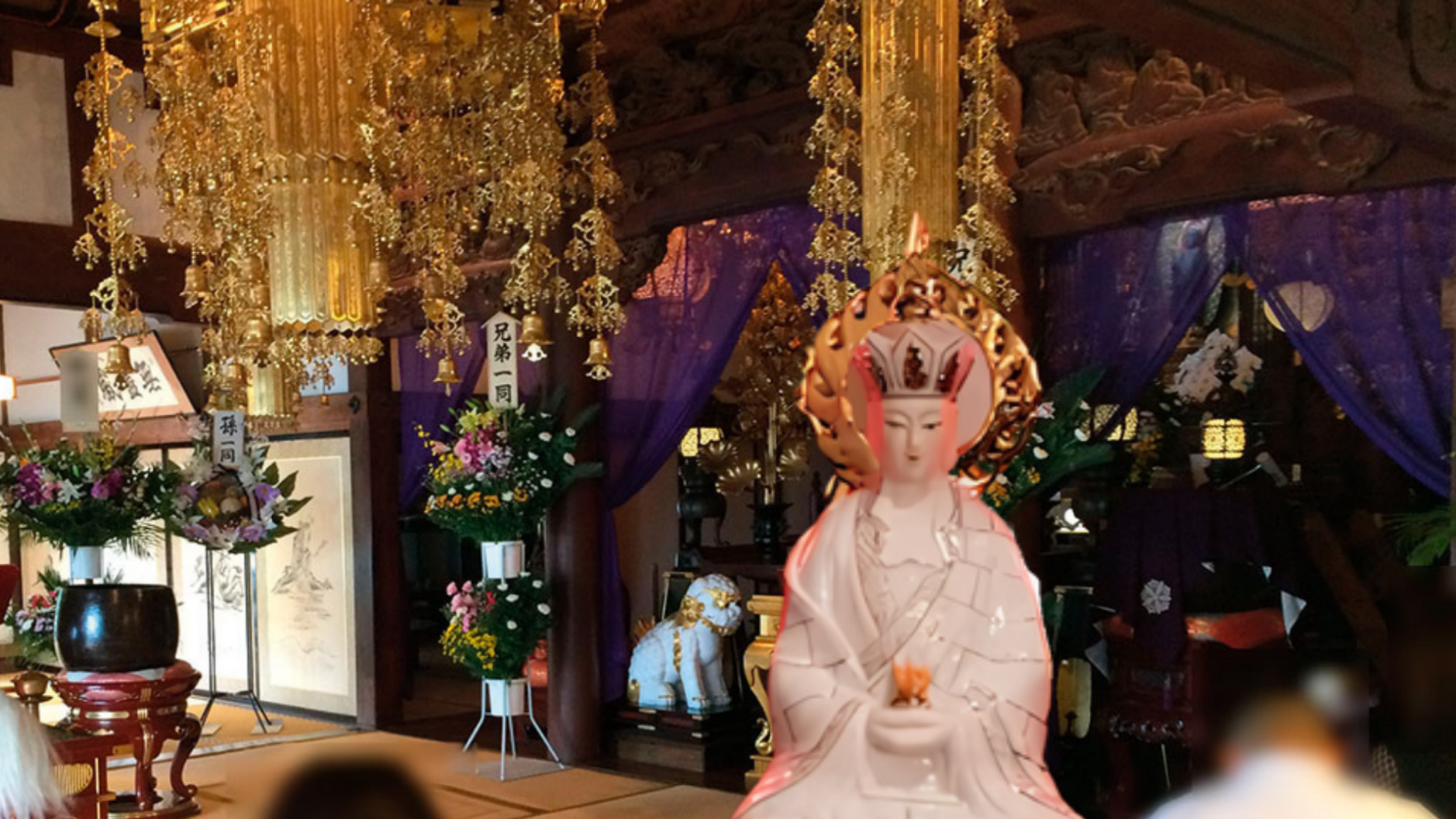
Buddhist funeral ceremonies are deeply symbolic, using offerings such as flowers, candles, and fruit to honor the deceased and reflect core spiritual teachings. These simple yet meaningful items remind mourners of the impermanence of life, the light of wisdom, and the importance of generosity. Together, they create an environment of reflection, mindfulness, and peace.

At Baldi Funeral Home, we help families incorporate these offerings in ways that are culturally authentic and personally meaningful.


Key Takeaways

  • Flowers symbolize purity and the fleeting nature of life.
  • Candles represent enlightenment and guidance.
  • Fruit reflects generosity and abundance.
  • Simple offerings create a peaceful, reflective setting.
  • Families can personalize offerings based on tradition or personal meaning.


Flowers: A Reminder of Life’s Impermanence

Flowers are a universal symbol of beauty and transience. In Buddhist funerals, they remind mourners of the impermanence of all things—life, like a flower, blossoms and eventually fades. White flowers, particularly lilies or chrysanthemums, are often chosen for their association with purity and simplicity.


Candles: The Light of Wisdom

Lighting candles is a sacred act in Buddhist funerals. The flame represents the light of wisdom, guiding the spirit of the deceased and illuminating the path of those left behind. Candles are often placed on or near the altar, creating a tranquil and meditative atmosphere.


Fruit: A Symbol of Generosity

Fruit offerings symbolize the virtue of generosity and the wish for abundance in the spiritual journey. Families may choose fruits that were meaningful to their loved one, or seasonal fruits that reflect the cycle of life and renewal.


Creating a Serene Environment

Together, these offerings form the heart of the funeral altar. Alongside incense, photos, and scriptures, they help establish a setting that encourages meditation, remembrance, and compassion. The simplicity of the offerings reflects the Buddhist teaching that peace comes not from material wealth, but from mindfulness and kindness.


Frequently Asked Questions

Do offerings have to include flowers, candles, and fruit?
While these are the most common, offerings can vary. Some families may include tea, rice, or items that held special significance for the deceased.

Are guests expected to bring offerings?
Guests are usually not required to bring offerings, though they may bring flowers or make a donation in memory of the loved one.

Can offerings be adapted for modern or non-traditional services?
Yes. Many families choose to personalize offerings, blending traditional symbolism with elements that reflect their loved one’s personality and life.


Symbolic offerings such as flowers, candles, and fruit create a meaningful foundation for Buddhist funeral services. They reflect key teachings of impermanence, wisdom, and generosity while offering families a way to honor their loved one with simplicity and care. At Baldi Funeral Home, we ensure these traditions are preserved in a respectful and authentic manner.


By Victor Baldi June 8, 2026
How to Offer Meaningful Support, Phrases to Retire, and the Grace of Showing Up
Buddhist funeral ceremony Philadelphia
By Victor Baldi May 18, 2026
Planning or attending a Buddhist funeral in Philadelphia? Discover traditional customs, etiquette, and modern service options from Pennsylvania Burial Co. and Baldi
Pennsylvania Burial Company Baldi Funeral Home Cremation Services Philadelphia South Broad
By Victor Baldi May 6, 2026
If you are looking for a funeral home in South Philly that treats you like family, we invite you to visit us. Our doors on South Broad Street are always open....
Philadelphia obituaries, funeral home Philadelphia
By Victor Baldi April 21, 2026
Finding and Honoring Loved Ones: A Guide to Philadelphia Obituaries
Pennsylvania Burial Company, Baldi Funeral Home Philadelphia
By Victor Baldi April 14, 2026
A step-by-step guide for Philadelphia families on what to do immediately after losing a loved one. From Pennsylvania Burial Company/Baldi Funeral Home, since 1921.
Two Buddhist monks standing outside an ancient Cambodian temple, symbolizing spiritual reflection
November 11, 2025
Explore the purpose of chanting in Cambodian funeral traditions and how it provides peace, guidance, and spiritual support for families and loved ones.
Picture of 2 older women sitting on a bench in a park, surrounded by trees
November 5, 2025
Pre-arranging or pre-planning funeral services is great for when your time comes, your family does not have that big of a burden and can let them focus on griving
Picture of an incense diffuser on a blackground
October 30, 2025
When a family member passes, Cantonese funeral traditions serve as a meaningful way to honor their life, provide comfort to loved ones, and guide the spirit with respect and care. At Pennsylvania Burial Company and Baldi Funeral Home, many families in the Philadelphia community choose to incorporate Cantonese customs into funeral services, ensuring the ceremony reflects their family heritage and beliefs. This guide explains the most common rituals, symbolic items, and offerings often included in a Cantonese funeral, and how families can personalize the experience while staying true to tradition. 1. The Importance of Respect, Family, and Ancestral Honor Cantonese funerals are rooted in three core principles: • Showing deep respect to the deceased • Protecting the family from misfortune • Honoring ancestors and ensuring a peaceful transition to the afterlife These values guide each step of the funeral process and help families feel connected to generations before them. 2. Pre-Funeral Rituals and Traditions Many families begin preparations with customs meant to protect the home and honor the spirit. These may include: • White and black clothing: Families traditionally wear white to symbolize mourning, with black used in some cases. Red is avoided during the mourning period. • Covering mirrors: Some families cover mirrors to prevent attracting negative spirits or bad luck. • Paper offerings prepared in advance: Items are gathered for burning during the funeral to help the loved one in the afterlife. Some families choose to follow all traditional customs, while others combine them with modern practices based on their comfort and beliefs. 3. Rituals During the Funeral Service Cantonese funeral services may take place over one or multiple days and can include elements such as: • Prayers and chanting: These guide the spirit and provide comfort. Monks or spiritual leaders may be present to lead chanting if the family wishes. • Incense offerings: Incense is lit to purify the space, honor the deceased, and invite blessings. • Symbolic placement of flowers: White chrysanthemums are common as they represent sympathy and mourning. Many families also choose to include personalized readings, shared memories, or a slideshow to honor the individual’s life in a meaningful way. 4. Symbolic Items and Their Meaning Below are key items often used during Cantonese funerals and what they represent: Incense: Shows respect and guides the spirit White clothing: Purity and mourning Paper money (joss paper): Helps the loved one in the afterlife Fruit and food offerings: Provide nourishment for the spirit Chrysanthemums: Traditional funeral flowers symbolizing grief Red packets (given after funeral): Protect family from misfortune after attending Families often choose which items feel most meaningful to include. 5. Offerings and the Tradition of Burning Joss Paper Paper offerings (known as joss paper) are an important part of Cantonese funeral customs. These may include money, clothes, or symbolic items representing comfort in the afterlife. Burning these items is believed to: • Provide financial support to the loved one’s spirit • Offer comfort and a smooth transition • Show ongoing care and respect Some families also place food and fruit on an altar for the spirit to receive. 6. After the Funeral: Mourning Practices and Family Customs Following the funeral, families may observe a mourning period that includes: • Avoiding celebrations for a set time • Wearing mourning pins or clothing • Visiting the gravesite at specific times to honor the loved one Giving small red envelopes to attendees at the end of the funeral is also a common practice. These envelopes may contain a coin or candy, symbolizing protection and good fortune after paying respects. Frequently Asked Questions How long does a traditional Cantonese funeral last? Services may last one or more days depending on the customs and preferences of the family. Is it necessary to include chanting or monks? No. While many families choose this for spiritual support, others prefer a simpler service. The level of tradition is always up to the family. Can we combine Cantonese customs with a traditional American funeral service? Yes. Families often blend cultural rituals with personal touches or religious elements that reflect their loved one’s life. What should guests wear to a Cantonese funeral? Guests typically wear black or dark clothing. Bright colors and red are usually avoided. Do all families burn joss paper during services? Not always. Some families follow this tradition fully, while others choose alternative ways to offer respect or symbolic items. Can non-Cantonese guests participate in the rituals? Yes. Guests are welcome to show respect by bowing, lighting incense if offered, or quietly observing. Participation is optional. If your family wishes to include Cantonese traditions in a funeral or memorial service, our team at Pennsylvania Burial Company and Baldi Funeral Home is here to help. We will honor your customs with care, respect, and cultural understanding, ensuring your loved one’s farewell is meaningful and heartfelt.
Headstone shaped like an urn in a cemetery, surrounded by leaves
October 23, 2025
When planning a cremation, several questions may come up. Here you can learn everything, from the basics to the more detailed questions resolved by our team
Image of a pagoda, over a lake
October 16, 2025
In Vietnamese culture, honoring one’s ancestors is more than a tradition; it’s a way of life. When a loved one passes away, families come together not only to grieve but also to ensure that the spirit of the deceased is cared for and remembered properly. At Pennsylvania Burial Company / Baldi Funeral Home , we understand the deep cultural and spiritual significance of Vietnamese funeral customs. Our team is honored to serve Philadelphia’s Vietnamese community with compassion, respect, and knowledge of these meaningful traditions. The Importance of Ancestral Respect in Vietnamese Culture Vietnamese funeral customs are rooted in the belief that life continues beyond death and that the deceased maintain a spiritual connection with their descendants. Honoring one’s ancestors ensures harmony between the living and the spirit world. Families often maintain an ancestral altar at home, where they offer incense, food, and prayers on special occasions and anniversaries. During a funeral, these same values are reflected through rituals meant to guide the spirit peacefully to the afterlife. Key Elements of a Traditional Vietnamese Funeral Vietnamese funerals include a series of meaningful customs that take place over several days. While practices can vary by region or religion (Buddhist, Catholic, or ancestral), many families observe similar steps: Announcement of Death (Cáo Phó) The family formally announces the passing to relatives and the community, inviting them to pay respects. Incense and Offerings Burning incense represents communication with the spirit world. Food, fruit, and symbolic items are offered to support the deceased’s journey. White Clothing Family members wear white or subdued colors as a sign of mourning and purity. Prayers and Chanting Monks or priests may lead prayers to help the spirit transition peacefully. Procession and Burial A funeral procession often includes family members carrying offerings and photos of the deceased, followed by burial or cremation. These customs help both the living and the departed find peace, honoring a loved one’s memory while fulfilling cultural and spiritual responsibilities. Modern Adaptations for Vietnamese Families in the U.S. In Philadelphia, many Vietnamese families seek to blend traditional customs with modern practices . Some choose Buddhist chanting or incense ceremonies alongside contemporary memorials or cremation options. At Baldi Funeral Home, we respect these evolving needs by offering flexibility, helping families customize services that reflect both their heritage and their personal preferences. Whether it’s providing space for monks to lead prayers , setting up a table for offerings , or assisting with memorial altars , our staff ensures that each service honors Vietnamese tradition with authenticity and care. Symbolic Offerings and Ritual Items Offerings play a vital role in Vietnamese funerals. They symbolize love, gratitude, and continued care for the departed. Common offerings include: Incense sticks: to connect with the spirit of the deceased. Flowers (especially chrysanthemums): representing purity and remembrance. Fruits and rice: as nourishment for the spirit. Paper offerings (vàng mã): symbolic items such as money, clothes, or even paper houses, burned to send to the afterlife. Families often personalize these offerings, including items that reflect the loved one’s personality, favorite foods, or meaningful symbols. How Pennsylvania Burial Company / Baldi Funeral Home Supports Vietnamese Families Our team has experience helping Vietnamese families in Philadelphia plan funerals that honor both cultural and spiritual values . We work closely with families to coordinate Buddhist or Catholic rites, prepare traditional offerings, and provide a calm, respectful environment for every ceremony. We also understand the importance of timing in Vietnamese customs, such as holding ceremonies on auspicious days or observing proper mourning periods. At Baldi Funeral Home, every service is guided by compassion and cultural understanding, ensuring your loved one’s farewell is both meaningful and dignified. Frequently Asked Questions 1. Can we include Buddhist prayers or chanting in the service? Yes. We can help coordinate with local temples or monks to include traditional chanting or prayers as part of the ceremony. 2. What should we prepare for the altar or offering table? Families typically include incense, food, fruits, flowers, and photos of the deceased. We can provide tables and guidance on setting up these offerings. 3. Is cremation acceptable in Vietnamese culture? Yes. Many modern Vietnamese families choose cremation while maintaining traditional rituals such as chanting, offerings, and prayers before and after the cremation. 4. How long do Vietnamese funerals usually last? They often take place over two to three days, though timing may vary depending on family customs, religious practices, or scheduling needs. 5. Can Baldi Funeral Home assist with transportation for monks or religious leaders? Absolutely. Our staff can help coordinate logistics, ensuring that all cultural and ceremonial needs are met. 6. How can families honor their loved one after the funeral? Many continue to pay respects by maintaining an ancestral altar and observing anniversaries (ngày giỗ) with offerings and prayers at home. Vietnamese funeral traditions beautifully reflect the values of respect, remembrance, and connection between generations. At Pennsylvania Burial Company / Baldi Funeral Home , we are honored to help families uphold these customs, offering guidance, space, and heartfelt care every step of the way. Our goal is to ensure that each service is not only a farewell, but a celebration of love, gratitude, and heritage that endures for generations.
Show More