


Dealing with Death

May 5, 2025

Dealing with Death

In today's society, we tend to ignore death. We avoid discussing it, thinking about it, and planning for it. While we all know that death is inevitable, we are unwilling to think it will ever happen to us.


"Death can be terrifying." Dr. Todd Kashdan opened his article, "Confronting Death with an Open, Mindful Attitude", with those four painfully-honest words. He goes on to explain why death is such a scary thing for most of us. "Recognizing that death is inescapable and unpredictable makes us incredibly vulnerable. This disrupts our instinct to remain a living, breathing organism."


Our fear of dying has kept us alive (as individuals and communities) for centuries. It's natural. Yet, the fear of dying does not serve our personal need for safety and if we are to live our lives, we need to release the fear altogether. Dr. Kashdan argues that a mindful approach to living may be what's needed.

What is Mindfulness?

Mindfulness has been defined as, "The state of active, open attention on the present. When you're mindful, you observe your thoughts and feelings from a distance, without judging them good or bad. Instead of letting your life pass you by, mindfulness means living in the moment and awakening to experience."


Awakening to the inevitability of your own death is liberating. You are no longer forced to manage the fear; you are able to include death into your life experience.

Preparing for Your Death

Death is a natural part of life. When you live with intention, which involves looking toward death and preparing for it, you crush its power to keep you from living fully. The following task list will, when done mindfully, help you to not only confront your own death but to take control of it. While you'll never actually know how your life will end until the time of your death, your preparations will help you become comfortable with it.

Write a will, notarize it, and provide a copy to your executor as well as any other individuals who are important in the settlement of your estate.

Designate a Power of Attorney and Living Will, two essential documents if you are ever unable to care for your financial, medical, or legal needs due to an accident or illness.

Make a detailed plan of your funeral or memorial service, which will help your survivors acknowledge and celebrate your accomplishments.

Organize all financial papers including insurance policies, bills, mortgage papers, vehicle titles, and loan documents. It may be useful to consider adding a trusted family member to your bank accounts.

Secure your digital life for your survivors. Make sure to list all account passwords and usernames and let your survivors know how you would like your digital real estate (email and social media accounts) handled after your death.

If you don't work to really get in touch with the reality of your death, you will never be fully satisfied with your life. When endlessly trying to become victorious over death, you stop living fully.


Sources:

  1. "What is Mindfulness?", Psychology Today, 2014
  2. Kashdan, Todd, Ph.D., "Confronting Death with an Open, Mindful Attitude", Psychology Today, 2011
  3. Klosowski, Thorin , "One Day You're Going to Die. Here's How to Prepare for It", 2013
funeral symbols Baldi Funeral Home Philadelphia Pennsylvania Burial co
By Victor Baldi July 6, 2026
Explore meaningful funeral symbols from different cultures, including flowers, candles, black armbands, colors, food, and traditions. Baldi Funeral Home help Philly
Catholic Funeral Home Philadelphia South Broad Street Baldi Pennsylvania Burial Co.
By Victor Baldi June 22, 2026
Plan a meaningful Catholic funeral in Philadelphia with Pennsylvania Burial Company and Baldi Funeral Home. Learn traditions, meaning, and preparation steps.

By Victor Baldi June 8, 2026
How to Offer Meaningful Support, Phrases to Retire, and the Grace of Showing Up
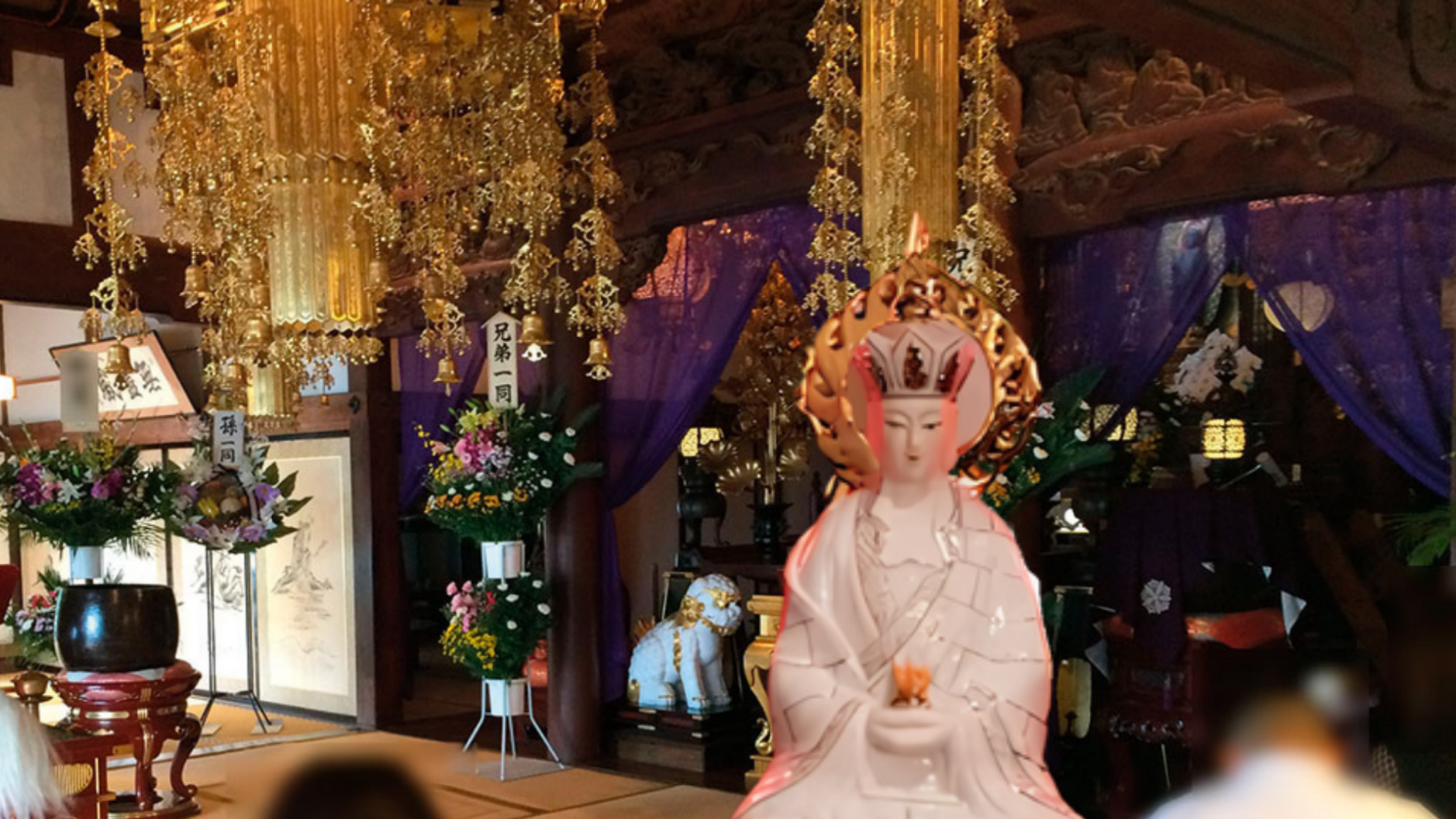
Buddhist funeral ceremony Philadelphia
By Victor Baldi May 18, 2026
Planning or attending a Buddhist funeral in Philadelphia? Discover traditional customs, etiquette, and modern service options from Pennsylvania Burial Co. and Baldi

Pennsylvania Burial Company Baldi Funeral Home Cremation Services Philadelphia South Broad
By Victor Baldi May 6, 2026
If you are looking for a funeral home in South Philly that treats you like family, we invite you to visit us. Our doors on South Broad Street are always open....
Philadelphia obituaries, funeral home Philadelphia
By Victor Baldi April 21, 2026
Finding and Honoring Loved Ones: A Guide to Philadelphia Obituaries
Pennsylvania Burial Company, Baldi Funeral Home Philadelphia
By Victor Baldi April 14, 2026
A step-by-step guide for Philadelphia families on what to do immediately after losing a loved one. From Pennsylvania Burial Company/Baldi Funeral Home, since 1921.
Two Buddhist monks standing outside an ancient Cambodian temple, symbolizing spiritual reflection
November 11, 2025
Explore the purpose of chanting in Cambodian funeral traditions and how it provides peace, guidance, and spiritual support for families and loved ones.
Picture of 2 older women sitting on a bench in a park, surrounded by trees
November 5, 2025
Pre-arranging or pre-planning funeral services is great for when your time comes, your family does not have that big of a burden and can let them focus on griving
Picture of an incense diffuser on a blackground
October 30, 2025
When a family member passes, Cantonese funeral traditions serve as a meaningful way to honor their life, provide comfort to loved ones, and guide the spirit with respect and care. At Pennsylvania Burial Company and Baldi Funeral Home, many families in the Philadelphia community choose to incorporate Cantonese customs into funeral services, ensuring the ceremony reflects their family heritage and beliefs. This guide explains the most common rituals, symbolic items, and offerings often included in a Cantonese funeral, and how families can personalize the experience while staying true to tradition. 1. The Importance of Respect, Family, and Ancestral Honor Cantonese funerals are rooted in three core principles: • Showing deep respect to the deceased • Protecting the family from misfortune • Honoring ancestors and ensuring a peaceful transition to the afterlife These values guide each step of the funeral process and help families feel connected to generations before them. 2. Pre-Funeral Rituals and Traditions Many families begin preparations with customs meant to protect the home and honor the spirit. These may include: • White and black clothing: Families traditionally wear white to symbolize mourning, with black used in some cases. Red is avoided during the mourning period. • Covering mirrors: Some families cover mirrors to prevent attracting negative spirits or bad luck. • Paper offerings prepared in advance: Items are gathered for burning during the funeral to help the loved one in the afterlife. Some families choose to follow all traditional customs, while others combine them with modern practices based on their comfort and beliefs. 3. Rituals During the Funeral Service Cantonese funeral services may take place over one or multiple days and can include elements such as: • Prayers and chanting: These guide the spirit and provide comfort. Monks or spiritual leaders may be present to lead chanting if the family wishes. • Incense offerings: Incense is lit to purify the space, honor the deceased, and invite blessings. • Symbolic placement of flowers: White chrysanthemums are common as they represent sympathy and mourning. Many families also choose to include personalized readings, shared memories, or a slideshow to honor the individual’s life in a meaningful way. 4. Symbolic Items and Their Meaning Below are key items often used during Cantonese funerals and what they represent: Incense: Shows respect and guides the spirit White clothing: Purity and mourning Paper money (joss paper): Helps the loved one in the afterlife Fruit and food offerings: Provide nourishment for the spirit Chrysanthemums: Traditional funeral flowers symbolizing grief Red packets (given after funeral): Protect family from misfortune after attending Families often choose which items feel most meaningful to include. 5. Offerings and the Tradition of Burning Joss Paper Paper offerings (known as joss paper) are an important part of Cantonese funeral customs. These may include money, clothes, or symbolic items representing comfort in the afterlife. Burning these items is believed to: • Provide financial support to the loved one’s spirit • Offer comfort and a smooth transition • Show ongoing care and respect Some families also place food and fruit on an altar for the spirit to receive. 6. After the Funeral: Mourning Practices and Family Customs Following the funeral, families may observe a mourning period that includes: • Avoiding celebrations for a set time • Wearing mourning pins or clothing • Visiting the gravesite at specific times to honor the loved one Giving small red envelopes to attendees at the end of the funeral is also a common practice. These envelopes may contain a coin or candy, symbolizing protection and good fortune after paying respects. Frequently Asked Questions How long does a traditional Cantonese funeral last? Services may last one or more days depending on the customs and preferences of the family. Is it necessary to include chanting or monks? No. While many families choose this for spiritual support, others prefer a simpler service. The level of tradition is always up to the family. Can we combine Cantonese customs with a traditional American funeral service? Yes. Families often blend cultural rituals with personal touches or religious elements that reflect their loved one’s life. What should guests wear to a Cantonese funeral? Guests typically wear black or dark clothing. Bright colors and red are usually avoided. Do all families burn joss paper during services? Not always. Some families follow this tradition fully, while others choose alternative ways to offer respect or symbolic items. Can non-Cantonese guests participate in the rituals? Yes. Guests are welcome to show respect by bowing, lighting incense if offered, or quietly observing. Participation is optional. If your family wishes to include Cantonese traditions in a funeral or memorial service, our team at Pennsylvania Burial Company and Baldi Funeral Home is here to help. We will honor your customs with care, respect, and cultural understanding, ensuring your loved one’s farewell is meaningful and heartfelt.
Show More