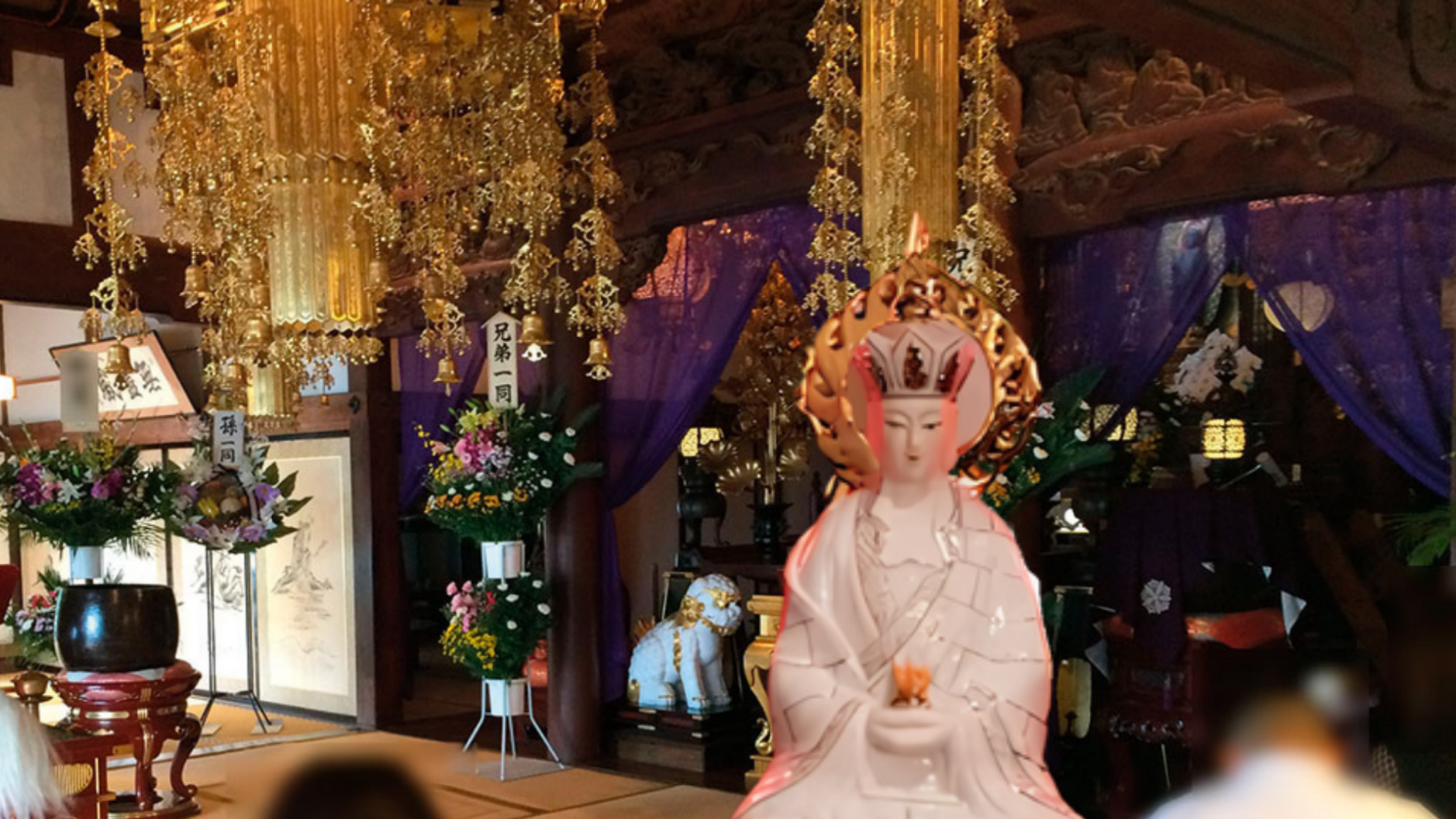
How to Plan a Funeral That Reflects Your Family's Heritage

July 9, 2025

To honor your family's heritage in a meaningful way, plan a funeral that reflects your cultural background. Start by understanding your family's heritage and research cultural funeral traditions. Choose music and readings that resonate with your heritage. Incorporate traditional rituals and select symbolic decorations that reflect your family's background. Consider working with heritage-inspired vendors for added authenticity. Personalize the funeral service with stories, anecdotes, customized programs, memorial videos, and meaningful attire or décor. Each element can add depth and honor your loved one's legacy in a truly special way.


Key Takeaways


- Incorporate ancestral customs and traditions into the service.

- Choose music, readings, and decorations reflecting heritage.

- Research and include cultural elements in the funeral plan.

- Personalize the service with family stories and anecdotes.

- Wear traditional attire and follow specific rituals honoring heritage.


Understanding Your Family's Heritage


As you plan a funeral, exploring your family's heritage provides a meaningful way to honor your loved one's legacy and celebrate your shared history. Family stories are a treasure trove of memories that can be integrated into the fabric of the funeral arrangements, allowing you to reminisce about cherished moments and pass down these narratives to future generations.


Ancestral customs, deeply rooted in your family's cultural influences, offer a profound connection to your past and can infuse the funeral proceedings with a sense of historical significance.


Consider incorporating elements of your family's traditions into the funeral service, such as rituals, music, or symbols that hold special meaning. Your loved one's cultural heritage can be honored through traditional attire, reflecting their roots and adding a touch of authenticity to the ceremony.


Understanding and incorporating these aspects of your family's heritage not only pays tribute to your loved one but also creates a unique and personalized farewell that resonates with your shared identity. By integrating these elements thoughtfully, you can create a funeral that not only honors the past but also celebrates the rich history of your family.


Researching Cultural Funeral Traditions


Begin your exploration of cultural funeral traditions by delving into the rich fabric of practices that embody diverse heritages and offer profound insights into honoring and celebrating the lives of loved ones. Understanding cultural customs, ancestral practices, traditional ceremonies, ethnic influences, and historical perspectives can provide a meaningful framework for planning a funeral that truly reflects your family's heritage.


1. Cultural Customs: Research the specific customs and rituals associated with your family's cultural background. These may include unique ways of mourning, honoring the deceased, or commemorating their life.


2. Ancestral Practices: Explore the traditional practices that have been passed down through generations in your family. These practices often hold deep symbolic meanings and can add a profound layer of connection to your loved one's funeral.


3. Traditional Ceremonies: Investigate the traditional funeral ceremonies of your cultural heritage. Understanding the structure, symbolism, and significance of these ceremonies can help you incorporate elements that resonate with your family's traditions.


Choosing Music and Readings


Explore the significance of selecting music and readings that resonate with your family's heritage when planning a funeral that honors your cultural background. Incorporating elements like cultural attire, traditional prayers, meaningful songs, historical readings, and folklore elements can add a profound layer of significance to the funeral service.


When choosing music, consider traditional songs or hymns that hold special meaning within your cultural community. These songs can evoke powerful emotions and help create a memorable and heartfelt atmosphere during the service.


Moreover, selecting readings from historical texts or folklore can provide a deeper connection to your family's heritage, offering comfort and reflection to those in attendance.


Traditional prayers also play an essential role in honoring your cultural background. Including prayers that have been passed down through generations can bring a sense of unity and tradition to the funeral service, allowing everyone to participate in a meaningful way.


Incorporating Traditional Rituals


To infuse your funeral service with cultural richness and authenticity, consider incorporating traditional rituals that hold deep meaning for your family heritage. Customized ceremonies, cultural customs, traditional tributes, ancestral practices, and ethnic elements can all play a significant role in honoring your loved one's legacy in a way that resonates with your family's background.


Here are three ways to incorporate traditional rituals into your funeral service:


1. Customized Ceremonies:

Work with your funeral planner to tailor the ceremony to include specific rituals that are meaningful to your family's cultural background. This could involve traditional prayers, chants, dances, or blessings that reflect your heritage.


2. Cultural Customs:

Integrate customs such as wearing traditional attire, performing symbolic gestures, or observing specific traditions that are unique to your cultural heritage. These customs can bring a sense of familiarity and comfort to the funeral proceedings.


3. Ancestral Practices:

Consider incorporating practices that have been passed down through generations in your family. Whether it's a ceremonial ritual, a special way of honoring the deceased, or a symbolic act that signifies respect for your ancestors, these practices can add depth and meaning to the funeral service.


Selecting Symbolic Decorations


When choosing symbolic decorations for a funeral service, consider selecting items that hold personal significance and reflect the essence of your family heritage. Incorporating cultural symbolism, decorative elements, and symbolic tributes can help honor your loved one's life in a meaningful way. These elements not only enhance the personal touch to the service but also serve as a beautiful representation of your family's heritage and ethnic influences.


To infuse your funeral with heritage representation, you might consider displaying traditional artifacts, such as ceremonial objects or textiles that are emblematic of your cultural background. Including colors or patterns that are significant in your heritage can also add a unique and personal touch to the decor.


Moreover, you could incorporate floral arrangements or symbolic items that hold special meaning in your family's traditions.


Working With Heritage-Inspired Vendors


Consider collaborating with vendors who specialize in heritage-inspired services to infuse your funeral arrangements with a touch of cultural significance and personal meaning. When selecting vendors for your funeral services, prioritize those who understand the importance of cultural authenticity and can tailor their offerings to represent your heritage in a meaningful way.


Here are some key points to keep in mind when working with heritage-inspired vendors:


1. Vendor Selection: Choose vendors who've expertise working with diverse cultural traditions and can respectfully incorporate your heritage into the funeral arrangements.


2. Cultural Authenticity: Make sure that the vendors you select are dedicated to maintaining the authenticity of your cultural practices and traditions throughout the planning process.


3. Customized Services: Look for vendors who offer personalized services to meet your specific cultural and personal preferences, allowing you to create a unique and meaningful tribute to your loved one's heritage.


Personalizing the Funeral Service


Enhance the funeral service by incorporating personal touches that celebrate your loved one's unique life and legacy. Personalizing the funeral service allows you to honor your loved one in a way that is meaningful and reflective of their personality and heritage. Consider integrating creative tributes, family traditions, personal touches, cultural customs, and meaningful details to guarantee a service that truly captures the essence of your loved one's life.


To help you personalize the funeral service, here is a table with ideas for incorporating these elements:


         Creative Tributes                      Family Traditions                      Personal Touches 

|--------------------------------------|-----------------------------------------|-------------------------------------------|

- Memory boards with photos and mementos | Traditional music or songs | Handwritten notes or poems

- Planting a memorial tree or garden | Lighting candles in remembrance | Displaying cherished belongings

- Releasing doves or butterflies | Sharing stories and anecdotes | Customizing the funeral program

- Creating a memorial video | Wearing clothing of significance | Including favorite flowers or colors

- Organizing a charity donation in their name | Following specific religious rituals | Offering a special tribute during the service


Frequently Asked Questions


How Can I Honor Multiple Cultural Heritages in One Funeral?


To honor multiple cultural heritages in one funeral, you can adopt cultural inclusivity by blending traditions, finding family compromise, incorporating modern elements, and integrating religious aspects. It's about celebrating diversity and respecting each heritage.


Are There Specific Customs for Blended Heritage Funerals?


In blending traditions for a funeral, honor the cultural fusion with respectful integration. Harmonize customs by balancing heritage elements. Pay homage to diverse roots, creating a meaningful and inclusive ceremony for all.


What if My Family Disagrees on Which Traditions to Follow?


When handling disagreements within your family on funeral traditions, compromise is crucial. Engage in open family discussions with cultural sensitivity. Finding a balance that respects everyone's wishes is important to honor your loved one.


Can We Incorporate Modern Elements While Respecting Tradition?


You can strike a beautiful balance by blending tradition with modern elements, creating a cultural fusion that honors heritage while promoting family unity. Embracing both past and present can make the funeral uniquely meaningful.


How Do We Respectfully Combine Different Religious Practices?


When combining different religious practices for a funeral, prioritize cultural sensitivity, adopt a multi-faith approach, consider interfaith ceremonies, encourage family compromise, and honor blended traditions. Respect each belief to create a meaningful and inclusive service.


Conclusion


Now that you have learned how to plan a funeral that reflects your family's heritage, remember to stay true to your roots and honor your loved one in a way that's authentic and meaningful.


By embracing your cultural traditions and incorporating them into the funeral arrangements, you can create a touching and memorable tribute that celebrates their life in a way that's truly unique.


Keep their spirit alive through the influence of your heritage.
Buddhist funeral ceremony Philadelphia
By Victor Baldi May 18, 2026
Planning or attending a Buddhist funeral in Philadelphia? Discover traditional customs, etiquette, and modern service options from Pennsylvania Burial Co. and Baldi
Pennsylvania Burial Company Baldi Funeral Home Cremation Services Philadelphia South Broad
By Victor Baldi May 6, 2026
If you are looking for a funeral home in South Philly that treats you like family, we invite you to visit us. Our doors on South Broad Street are always open....
Philadelphia obituaries, funeral home Philadelphia
By Victor Baldi April 21, 2026
Finding and Honoring Loved Ones: A Guide to Philadelphia Obituaries
Pennsylvania Burial Company, Baldi Funeral Home Philadelphia
By Victor Baldi April 14, 2026
A step-by-step guide for Philadelphia families on what to do immediately after losing a loved one. From Pennsylvania Burial Company, serving families since 1921.
Two Buddhist monks standing outside an ancient Cambodian temple, symbolizing spiritual reflection
November 11, 2025
Explore the purpose of chanting in Cambodian funeral traditions and how it provides peace, guidance, and spiritual support for families and loved ones.
Picture of 2 older women sitting on a bench in a park, surrounded by trees
November 5, 2025
Pre-arranging or pre-planning funeral services is great for when your time comes, your family does not have that big of a burden and can let them focus on griving
Picture of an incense diffuser on a blackground
October 30, 2025
When a family member passes, Cantonese funeral traditions serve as a meaningful way to honor their life, provide comfort to loved ones, and guide the spirit with respect and care. At Pennsylvania Burial Company and Baldi Funeral Home, many families in the Philadelphia community choose to incorporate Cantonese customs into funeral services, ensuring the ceremony reflects their family heritage and beliefs. This guide explains the most common rituals, symbolic items, and offerings often included in a Cantonese funeral, and how families can personalize the experience while staying true to tradition. 1. The Importance of Respect, Family, and Ancestral Honor Cantonese funerals are rooted in three core principles: • Showing deep respect to the deceased • Protecting the family from misfortune • Honoring ancestors and ensuring a peaceful transition to the afterlife These values guide each step of the funeral process and help families feel connected to generations before them. 2. Pre-Funeral Rituals and Traditions Many families begin preparations with customs meant to protect the home and honor the spirit. These may include: • White and black clothing: Families traditionally wear white to symbolize mourning, with black used in some cases. Red is avoided during the mourning period. • Covering mirrors: Some families cover mirrors to prevent attracting negative spirits or bad luck. • Paper offerings prepared in advance: Items are gathered for burning during the funeral to help the loved one in the afterlife. Some families choose to follow all traditional customs, while others combine them with modern practices based on their comfort and beliefs. 3. Rituals During the Funeral Service Cantonese funeral services may take place over one or multiple days and can include elements such as: • Prayers and chanting: These guide the spirit and provide comfort. Monks or spiritual leaders may be present to lead chanting if the family wishes. • Incense offerings: Incense is lit to purify the space, honor the deceased, and invite blessings. • Symbolic placement of flowers: White chrysanthemums are common as they represent sympathy and mourning. Many families also choose to include personalized readings, shared memories, or a slideshow to honor the individual’s life in a meaningful way. 4. Symbolic Items and Their Meaning Below are key items often used during Cantonese funerals and what they represent: Incense: Shows respect and guides the spirit White clothing: Purity and mourning Paper money (joss paper): Helps the loved one in the afterlife Fruit and food offerings: Provide nourishment for the spirit Chrysanthemums: Traditional funeral flowers symbolizing grief Red packets (given after funeral): Protect family from misfortune after attending Families often choose which items feel most meaningful to include. 5. Offerings and the Tradition of Burning Joss Paper Paper offerings (known as joss paper) are an important part of Cantonese funeral customs. These may include money, clothes, or symbolic items representing comfort in the afterlife. Burning these items is believed to: • Provide financial support to the loved one’s spirit • Offer comfort and a smooth transition • Show ongoing care and respect Some families also place food and fruit on an altar for the spirit to receive. 6. After the Funeral: Mourning Practices and Family Customs Following the funeral, families may observe a mourning period that includes: • Avoiding celebrations for a set time • Wearing mourning pins or clothing • Visiting the gravesite at specific times to honor the loved one Giving small red envelopes to attendees at the end of the funeral is also a common practice. These envelopes may contain a coin or candy, symbolizing protection and good fortune after paying respects. Frequently Asked Questions How long does a traditional Cantonese funeral last? Services may last one or more days depending on the customs and preferences of the family. Is it necessary to include chanting or monks? No. While many families choose this for spiritual support, others prefer a simpler service. The level of tradition is always up to the family. Can we combine Cantonese customs with a traditional American funeral service? Yes. Families often blend cultural rituals with personal touches or religious elements that reflect their loved one’s life. What should guests wear to a Cantonese funeral? Guests typically wear black or dark clothing. Bright colors and red are usually avoided. Do all families burn joss paper during services? Not always. Some families follow this tradition fully, while others choose alternative ways to offer respect or symbolic items. Can non-Cantonese guests participate in the rituals? Yes. Guests are welcome to show respect by bowing, lighting incense if offered, or quietly observing. Participation is optional. If your family wishes to include Cantonese traditions in a funeral or memorial service, our team at Pennsylvania Burial Company and Baldi Funeral Home is here to help. We will honor your customs with care, respect, and cultural understanding, ensuring your loved one’s farewell is meaningful and heartfelt.
Headstone shaped like an urn in a cemetery, surrounded by leaves
October 23, 2025
When planning a cremation, several questions may come up. Here you can learn everything, from the basics to the more detailed questions resolved by our team
Image of a pagoda, over a lake
October 16, 2025
In Vietnamese culture, honoring one’s ancestors is more than a tradition; it’s a way of life. When a loved one passes away, families come together not only to grieve but also to ensure that the spirit of the deceased is cared for and remembered properly. At Pennsylvania Burial Company / Baldi Funeral Home , we understand the deep cultural and spiritual significance of Vietnamese funeral customs. Our team is honored to serve Philadelphia’s Vietnamese community with compassion, respect, and knowledge of these meaningful traditions. The Importance of Ancestral Respect in Vietnamese Culture Vietnamese funeral customs are rooted in the belief that life continues beyond death and that the deceased maintain a spiritual connection with their descendants. Honoring one’s ancestors ensures harmony between the living and the spirit world. Families often maintain an ancestral altar at home, where they offer incense, food, and prayers on special occasions and anniversaries. During a funeral, these same values are reflected through rituals meant to guide the spirit peacefully to the afterlife. Key Elements of a Traditional Vietnamese Funeral Vietnamese funerals include a series of meaningful customs that take place over several days. While practices can vary by region or religion (Buddhist, Catholic, or ancestral), many families observe similar steps: Announcement of Death (Cáo Phó) The family formally announces the passing to relatives and the community, inviting them to pay respects. Incense and Offerings Burning incense represents communication with the spirit world. Food, fruit, and symbolic items are offered to support the deceased’s journey. White Clothing Family members wear white or subdued colors as a sign of mourning and purity. Prayers and Chanting Monks or priests may lead prayers to help the spirit transition peacefully. Procession and Burial A funeral procession often includes family members carrying offerings and photos of the deceased, followed by burial or cremation. These customs help both the living and the departed find peace, honoring a loved one’s memory while fulfilling cultural and spiritual responsibilities. Modern Adaptations for Vietnamese Families in the U.S. In Philadelphia, many Vietnamese families seek to blend traditional customs with modern practices . Some choose Buddhist chanting or incense ceremonies alongside contemporary memorials or cremation options. At Baldi Funeral Home, we respect these evolving needs by offering flexibility, helping families customize services that reflect both their heritage and their personal preferences. Whether it’s providing space for monks to lead prayers , setting up a table for offerings , or assisting with memorial altars , our staff ensures that each service honors Vietnamese tradition with authenticity and care. Symbolic Offerings and Ritual Items Offerings play a vital role in Vietnamese funerals. They symbolize love, gratitude, and continued care for the departed. Common offerings include: Incense sticks: to connect with the spirit of the deceased. Flowers (especially chrysanthemums): representing purity and remembrance. Fruits and rice: as nourishment for the spirit. Paper offerings (vàng mã): symbolic items such as money, clothes, or even paper houses, burned to send to the afterlife. Families often personalize these offerings, including items that reflect the loved one’s personality, favorite foods, or meaningful symbols. How Pennsylvania Burial Company / Baldi Funeral Home Supports Vietnamese Families Our team has experience helping Vietnamese families in Philadelphia plan funerals that honor both cultural and spiritual values . We work closely with families to coordinate Buddhist or Catholic rites, prepare traditional offerings, and provide a calm, respectful environment for every ceremony. We also understand the importance of timing in Vietnamese customs, such as holding ceremonies on auspicious days or observing proper mourning periods. At Baldi Funeral Home, every service is guided by compassion and cultural understanding, ensuring your loved one’s farewell is both meaningful and dignified. Frequently Asked Questions 1. Can we include Buddhist prayers or chanting in the service? Yes. We can help coordinate with local temples or monks to include traditional chanting or prayers as part of the ceremony. 2. What should we prepare for the altar or offering table? Families typically include incense, food, fruits, flowers, and photos of the deceased. We can provide tables and guidance on setting up these offerings. 3. Is cremation acceptable in Vietnamese culture? Yes. Many modern Vietnamese families choose cremation while maintaining traditional rituals such as chanting, offerings, and prayers before and after the cremation. 4. How long do Vietnamese funerals usually last? They often take place over two to three days, though timing may vary depending on family customs, religious practices, or scheduling needs. 5. Can Baldi Funeral Home assist with transportation for monks or religious leaders? Absolutely. Our staff can help coordinate logistics, ensuring that all cultural and ceremonial needs are met. 6. How can families honor their loved one after the funeral? Many continue to pay respects by maintaining an ancestral altar and observing anniversaries (ngày giỗ) with offerings and prayers at home. Vietnamese funeral traditions beautifully reflect the values of respect, remembrance, and connection between generations. At Pennsylvania Burial Company / Baldi Funeral Home , we are honored to help families uphold these customs, offering guidance, space, and heartfelt care every step of the way. Our goal is to ensure that each service is not only a farewell, but a celebration of love, gratitude, and heritage that endures for generations.
A line of men, wearing suits, one holding three pink roses
October 2, 2025
When a family experiences the loss of a loved one, the grief can feel overwhelming. During such an emotional time, planning a funeral can seem like an impossible task. This is where the guidance of a funeral director becomes invaluable. At Pennsylvania Burial Company/Baldi Funeral Home, our funeral directors do much more than manage logistics; they provide compassion, expertise, and support through every step of the journey. Understanding the role of a funeral director helps families appreciate how these professionals bring comfort, order, and dignity during one of life’s most difficult experiences. What Is a Funeral Director? A funeral director is a licensed professional who helps families plan, arrange, and carry out funeral or memorial services. While many people may think of funeral directors as coordinators, their role goes much deeper. They act as: Advisors – guiding families through important decisions. Organizers – managing details such as permits, transportation, and service arrangements. Supporters – offering empathy, understanding, and reassurance. Caretakers – ensuring the deceased is treated with dignity and respect. Funeral directors combine practical expertise with emotional sensitivity, balancing the business of planning with the humanity of grief care. Key Responsibilities of a Funeral Director The work of a funeral director covers many areas, both visible to families and behind the scenes. Some of the main responsibilities include: Helping Families Make Decisions From choosing between burial and cremation to selecting a casket, urn, or service type, funeral directors guide families through each step. Their experience allows them to explain options clearly and help families make choices that feel right. Handling Legal and Administrative Tasks Funeral directors manage important paperwork such as death certificates, permits for burial or cremation, and coordination with cemeteries. This relieves families from having to navigate complex regulations during a stressful time. Preparing and Caring for the Deceased Whether through embalming, dressing, or cosmetic preparation, funeral directors ensure the loved one is presented with dignity. For families who choose viewings or visitations, this step is especially important in creating a meaningful final memory. Planning and Coordinating Services Funeral directors work closely with families to design services that reflect their traditions, beliefs, and personal wishes. They also coordinate logistics, such as timing, transportation, music, and clergy participation, to make sure the service runs smoothly. Providing Emotional Support Beyond the practical responsibilities, funeral directors often serve as a source of comfort. They listen to families, answer questions, and offer guidance on grief support resources. Their presence helps families feel less alone in their journey. The Importance of Communication and Compassion A funeral director’s success is not measured only by organization but by their ability to connect with families. Good communication ensures families feel heard, understood, and respected. Compassion is what turns a service from a routine event into a meaningful tribute. At Pennsylvania Burial Company/Baldi Funeral Home, we believe every family deserves patience, kindness, and care during such a vulnerable moment. Why the Role of a Funeral Director Matters The importance of a funeral director extends beyond planning logistics. Their role impacts families in profound ways: Reducing Stress: By taking care of details, funeral directors allow families to focus on grieving and remembering their loved one. Honoring Traditions: They ensure cultural, religious, or military traditions are respected and carried out appropriately. Creating Meaningful Services: With their expertise, funeral directors help shape services that reflect the individuality of the person being remembered. Providing Peace of Mind: Families can feel confident knowing that their loved one is being cared for with professionalism and compassion. A Day in the Life of a Funeral Director To better understand the scope of the role, here’s a snapshot of the many hats a funeral director may wear in just one day: Meeting with a grieving family to plan arrangements Coordinating with clergy or celebrants for upcoming services Preparing necessary legal documents Supervising embalming or preparation of the deceased Scheduling transportation for family and guests Setting up a viewing or wake at the funeral home Providing grief support and answering family questions Each day is different, but the heart of the role remains the same: caring for families with compassion and professionalism. Supporting Families Beyond the Service The work of a funeral director does not end once the service is complete. Many continue to support families in the weeks and months after, by: Connecting families with grief counseling or support groups. Helping with insurance or veterans’ benefits paperwork. Offering resources for memorialization, such as monuments or keepsakes. Assisting with pre-planning for future arrangements to ease future burdens. This ongoing support demonstrates a funeral director’s true dedication, not only to the deceased but to the loved ones left behind. How Pennsylvania Burial Company/Baldi Funeral Home Supports Families At Pennsylvania Burial Company/Baldi, our funeral directors bring years of experience in serving the diverse Philadelphia community. We understand the importance of honoring cultural and religious traditions, offering bilingual support when needed, and customizing services to reflect each family’s unique story. Our directors are available every step of the way, from the first phone call to the conclusion of services, to ensure that no family ever feels alone in the process. Frequently Asked Questions Do I need a funeral director to plan a service? While families are not legally required to work with a funeral director in every circumstance, most choose to because of the expertise, support, and convenience they provide during an emotionally challenging time. Can funeral directors help with pre-planning? Yes. Funeral directors assist with pre-arrangement services, allowing individuals to plan their own funeral in advance. This reduces stress for family members and ensures personal wishes are honored. How does a funeral director support cultural or religious customs? Funeral directors coordinate with religious leaders, provide appropriate ceremonial items, and follow traditions that reflect the family’s heritage, ensuring every detail is handled with respect. What qualities should I look for in a funeral director? Compassion, professionalism, good communication skills, and a willingness to listen are essential. Families should feel comfortable and supported throughout the process. The role of a funeral director goes far beyond logistics: They are caretakers of both the deceased and the living. By managing details, honoring traditions, and offering compassion, funeral directors create meaningful services that help families heal. At Pennsylvania Burial Company/Baldi, we are proud to serve our community with professionalism, respect, and empathy. Our funeral directors are here to walk with families through every step of the journey, ensuring that their loved ones are remembered with dignity and love.
Show More