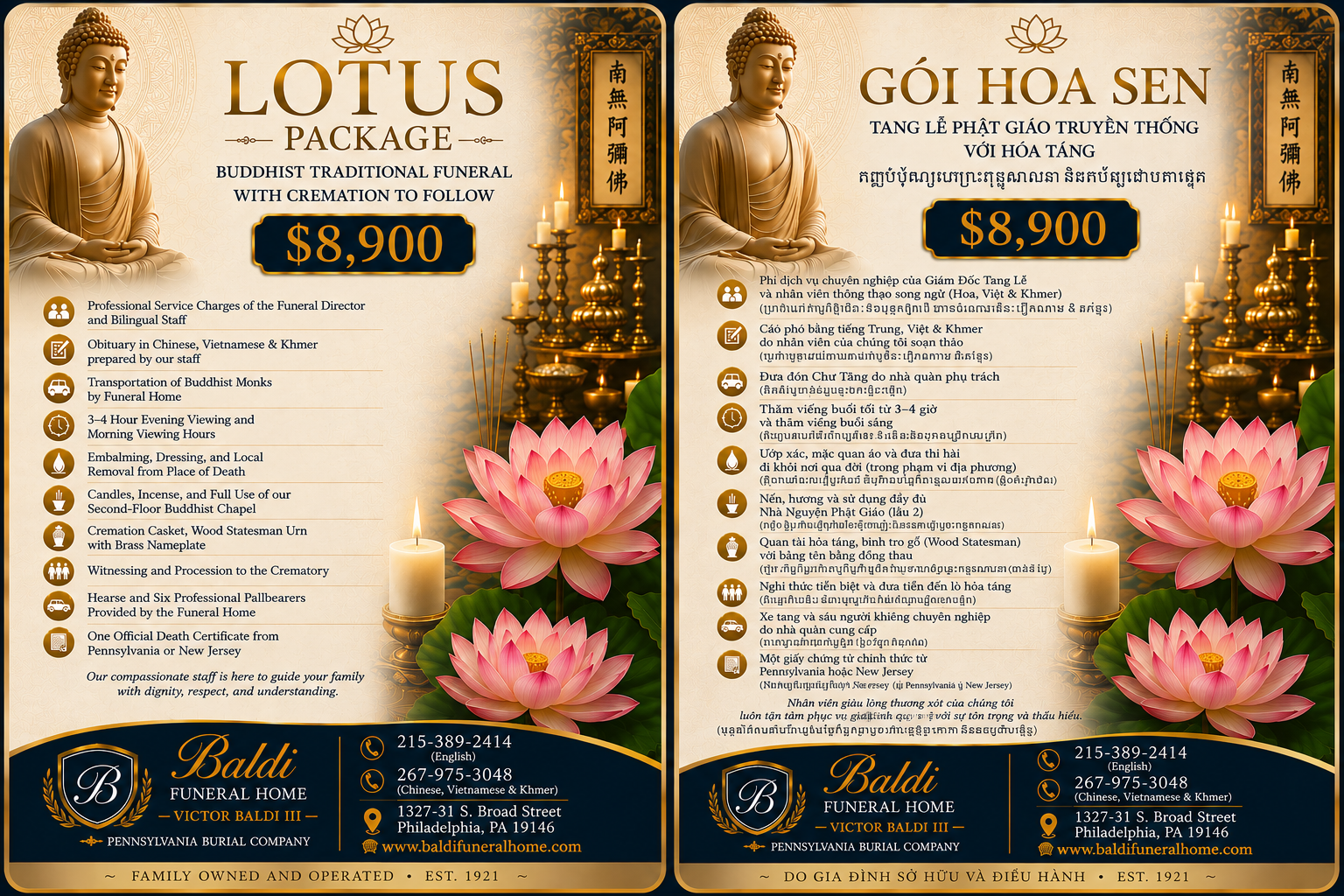
Buddhist funeral traditions are centered on compassion, mindfulness, and guiding the soul of the deceased toward peace and enlightenment. Among the most important elements of these services are the presence of monks and the practice of chanting. These rituals not only provide spiritual comfort but also create a calming environment that supports families and communities during a difficult time.
At Baldi Funeral Home, we work closely with Buddhist families to ensure these sacred practices are carried out with authenticity, respect, and cultural sensitivity.
Key Takeaways
- Monks lead prayers, rituals, and chanting during services.
- Chanting sutras guides the spirit and brings peace to attendees.
- Families and guests may participate in offering incense or prayers.
- Rituals are simple, mindful, and symbolic.
- Services can be adapted to reflect different Buddhist traditions.
The Role of Monks
In Buddhist culture, monks hold a respected position as spiritual guides. At a funeral, monks may:
- Recite sacred scriptures (sutras).
- Lead rituals of offering and bowing.
- Provide blessings for the departed and comfort for the family.
Inviting monks ensures the ceremony remains rooted in Buddhist teachings and gives families the assurance that their loved one’s spiritual journey is being supported.
The Meaning of Chanting
Chanting is one of the most recognizable aspects of a Buddhist funeral. The rhythmic recitation of sutras serves multiple purposes:
- It guides the soul of the deceased toward enlightenment.
- It brings peace and calm to the mourners.
- It creates a meditative, sacred atmosphere.
The chants are often performed in Pali, Sanskrit, or other traditional languages, though families may request translations to deepen their understanding.
Participation of Family and Community
Buddhist funerals encourage active participation. Family members and guests may:
- Offer incense as a sign of respect.
- Recite prayers alongside the monks.
- Share personal reflections or stories about the deceased.
- Engage in merit-making, such as donations or charitable acts in honor of the loved one.
These acts create a sense of community and ensure the memory of the deceased is tied to acts of kindness.
Creating a Peaceful Atmosphere
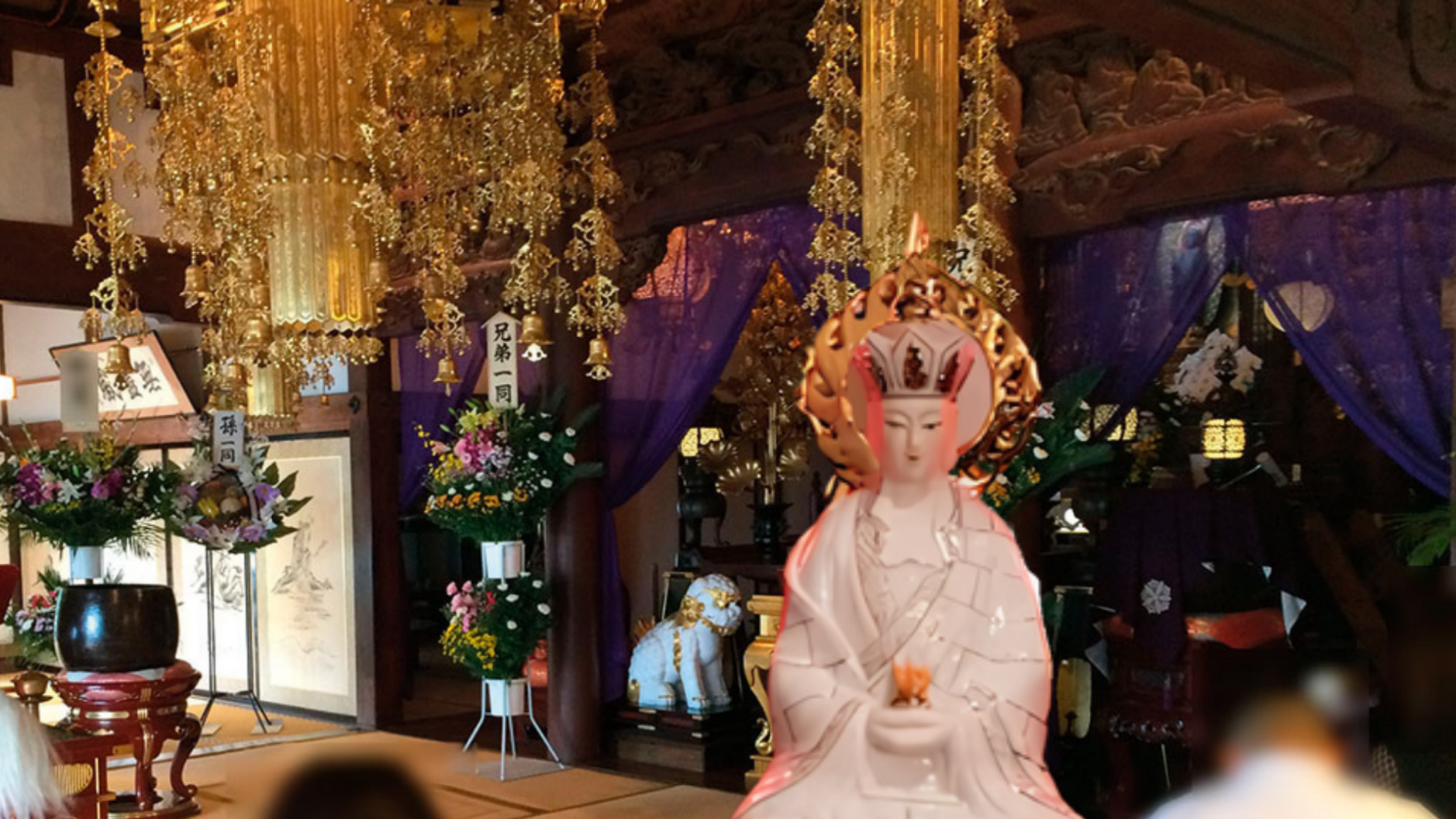
Chanting is often complemented by the sounds of singing bowls, gongs, or soft instrumentals. The environment is typically simple, with natural lighting, modest decorations, and an altar featuring flowers, candles, and a photo of the deceased. This simplicity helps families focus on reflection, meditation, and the values of impermanence and compassion.
Frequently Asked Questions
Do all Buddhist funerals involve monks?
Not always. Some families may lead prayers themselves, especially if monks are unavailable or if the family belongs to a tradition where lay leaders guide the rituals.
What should guests do during chanting?
Guests may join in chanting if they know the sutras, or they can simply sit quietly and respectfully, observing the practice.
Is chanting the same in every Buddhist tradition?
No. The specific sutras and rituals vary across traditions such as Theravada, Mahayana, or Zen Buddhism. Families often choose according to their lineage or cultural background.
Monks and chanting play a central role in Buddhist funeral services, offering spiritual guidance and creating a mindful atmosphere of compassion. At Baldi Funeral Home, we honor these traditions while tailoring services to meet the unique needs of each family.